Nature and Hiking in North Karelia: Parks, Trails, Rapids
Updated 16 November 2026

North Karelia, in eastern Finland, is a region of forested hills, eskers, bogs and thousands of lakes. Most of it is quiet, and on many trails you meet few other people. This page covers the main national parks, the long-distance trails, the Ruunaa rapids and paddling routes, wildlife watching, and the basic rules for moving in Finnish nature. For trip planning across the region, see the North Karelia travel guide.
Koli National Park
Koli is the region's best-known landscape: wooded hills rising above Lake Pielinen. The highest summit, Ukko-Koli, is 347 metres above sea level and about 253 metres above the lake surface. The park has about 80 kilometres of marked trails, and many of them start near the Ukko-Koli summit area. Short trails take you to the viewpoints on Ukko-Koli, Akka-Koli and Paha-Koli. Longer trails lead down to the shore of Pielinen. In winter Koli is a good base for skiing and snowshoeing. Read more on our Koli National Park page and on the official Koli page at luontoon.fi.
Patvinsuo National Park
Patvinsuo lies in Lieksa and Ilomantsi and covers about 105 square kilometres (km²). Wide open bogs alternate with old forests and sandy pine heaths. Lake Suomunjärvi, in the north of the park, has long sandy shores. About 20 kilometres of duckboards cross the wet mires, so the bogs are easy to walk on. A popular day hike is the Suomunkierto loop around Suomunjärvi, about 16 kilometres long. Brown bears, wolves, wolverines and lynx move through the area, although you are unlikely to see them. Camping is allowed only at designated sites, and you should take all your rubbish home with you. More information: Patvinsuo National Park at luontoon.fi.
Petkeljärvi National Park
Petkeljärvi in Ilomantsi, close to the eastern border, is a small park of about 7 km², founded in 1956. Narrow esker ridges, formed by the melting ice sheet more than 10,000 years ago, wind between lakes under pine forest that is mostly over 150 years old. The park is about 23 kilometres from Ilomantsi centre and about 90 kilometres from Joensuu. It has about 10 kilometres of marked trails suitable for day trips, including Kuikan kierros (6.5 km) and Harjupolku (3.5 km). The trails are not maintained in winter. The Taitajan taival trail, more than 30 kilometres long, starts in the park and runs to Mekrijärvi village. The Petkeljärvi hiking centre inside the park rents canoes, kayaks and rowing boats. Its accommodation and campsite services close for the winter, from mid-October to the end of April. See our page Petkeljärven kansallispuisto (in Finnish).
Ruunaa: rapids, rafting and fishing
The Ruunaa hiking area near Lieksa is built around the Lieksanjoki river. It has six rapids, and the height difference between the first, Paasikoski, and the last, Siikakoski, is almost 16 metres. Local operators run guided trips in wooden boats and inflatable rafts. The wooden boat trip from Matkalahti to the Naarajoki bridge covers about 30 kilometres and takes about 4 hours, including a lunch break outdoors. A wooden boat gives a calmer ride, and a raft is faster and wetter. Trips start from the parking area by the Naarajoki bridge or from the summer café Ruunaan tupa. Neitikoski rapids are popular with experienced canoe and kayak paddlers. By Neitikoski, the Ruunaa Hiking Centre has a restaurant, cabins and a campsite. You need a fishing permit for all fishing in the Ruunaa rapids. Permits are sold online at eraluvat.fi. Hiking trails, including part of the Bear's Trail, run along the river banks. Official information: Ruunaa Hiking Area at luontoon.fi.
Long-distance trails
Several long trails in eastern North Karelia link up with each other and are part of the wider Karjalan kierros trail network. The main ones are:
- Karhunpolku (Bear's Trail) runs from Patvinsuo through Ruunaa to Teljo near the Kuhmo border, about 133 kilometres. Plan for about a week on foot. There is also a mountain-bike version.
- Susitaival runs about 95 kilometres from Möhkö in Ilomantsi to Patvinsuo, where it joins Karhunpolku. It is rated demanding, with about 1,200 metres of total ascent, and it has wilderness huts and lean-tos along the way.
- Pogostan kierros is a loop of about 90 kilometres in Ilomantsi. It combines ridge landscapes with Border Karelian culture and war history. Together with Susitaival and Karhunpolku, it forms a network of about 300 kilometres.
These are wilderness trails. Carry a map, enough food and your own tent, and check conditions before you go. During the spring thaw, paths and forest roads can be wet and muddy.
Lakes and canoeing
Lake Pielinen dominates the north of the region, with islands and long views from Koli. Smaller lakes and rivers offer calmer paddling. The Jongunjoki river is a wilderness canoe route of about 60–70 kilometres from Jonkeri in Kuhmo to Lake Nurmijärvi in Lieksa, with about 16 hours of paddling. It is rated advanced and needs good fitness. Rapid grades change with the water level, so check the rapids before you run them; at high water the route is not suitable for beginners. In the south-west, Kolovesi National Park in Heinävesi is a rocky lake labyrinth that you explore by canoe or rowing boat. It protects the habitat of the endangered Saimaa ringed seal, so some waters have movement restrictions. See Koloveden kansallispuisto (in Finnish). Canoes and kayaks can be rented at several hiking centres and from local operators.
Wildlife and bear watching
The forests along the eastern border are home to brown bears, wolves, wolverines and lynx. Seeing them on your own is rare. In the Lieksa area, operators offer bear watching from purpose-built, heated hides. The season for bears runs roughly from April to October. A typical visit starts in the afternoon and lasts overnight: you stay quietly inside the hide and watch or photograph the animals. Bring warm clothing and quiet snacks without strong smells. Birdwatchers can visit the bird tower at Teretinniemi in Patvinsuo.
Everyman's right and free wilderness huts
In Finland, everyman's right lets you walk, ski and cycle in nature, and pick wild berries and mushrooms, regardless of who owns the land. You can also camp temporarily away from homes and cultivated land. Making a fire on someone else's land needs the landowner's permission. In national parks, special rules apply: camping and campfires are allowed only at designated places. Do not light an open campfire when a forest fire warning is in force, and leave no trace. Read the details at luontoon.fi: Everyman's rights.
Open wilderness huts and designated campsites in state-owned protected areas are free to use. Open huts cannot be booked. They are meant for one night, and the last person to arrive always has the right to a place, so always carry a tent. Some huts are locked and must be reserved for a fee. Hut rules: luontoon.fi: accommodation during the hike.
Where to stay
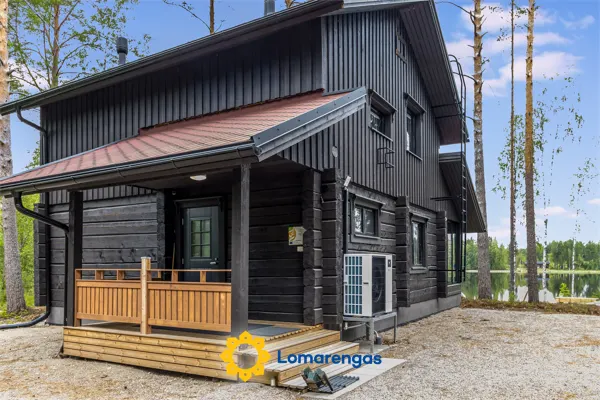
Many visitors rent a lakeside cottage with its own sauna and use it as a base for day hikes. Browse cottages in North Karelia (the listing is in Finnish but shows photos and prices). For winter activities, see Winter in North Karelia, and for a city base, the Joensuu city guide.